
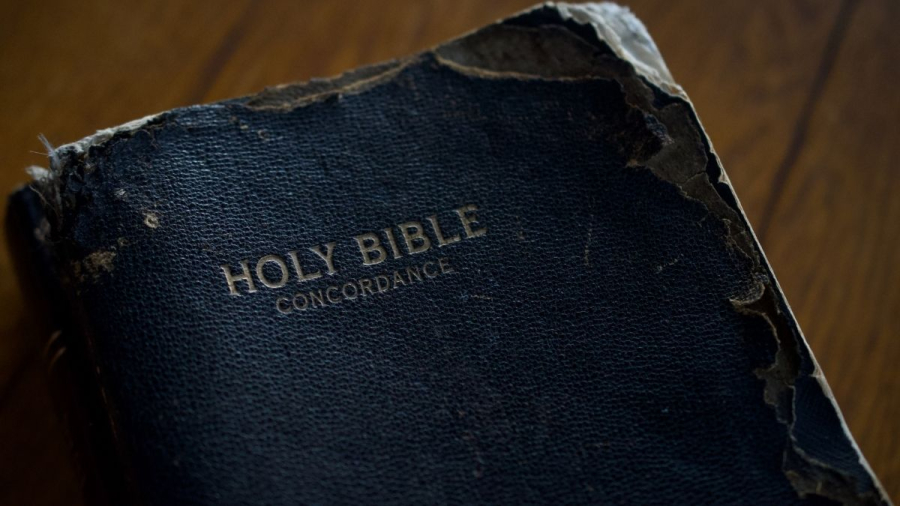
There is a unique sensation that comes with holding a book that has survived for centuries. When you run your fingers over the heavy, textured paper of an antique bible, you aren’t just touching an object; you are touching a piece of history that has been passed down through generations. These volumes often served as the centrepiece of a family home, recording births, marriages, and deaths in their flyleaves, making them intimate records of human life as much as religious texts. For many collectors, the appeal lies in this combination of historical significance, craftsmanship, and the tangible connection to the past.
In the modern world, where everything is digital and fleeting, the permanence of a well-bound leather volume is incredibly grounding. However, entering the world of collecting can feel a bit daunting if you aren’t sure what you are looking at. Understanding the nuances of typography, binding techniques, and the history of various translations is essential if you want to find a piece that truly resonates with you. It is about more than just the age of the book; it is about the story it tells and the craftsmanship that allowed it to survive the passage of time.
What actually makes a bible an antique
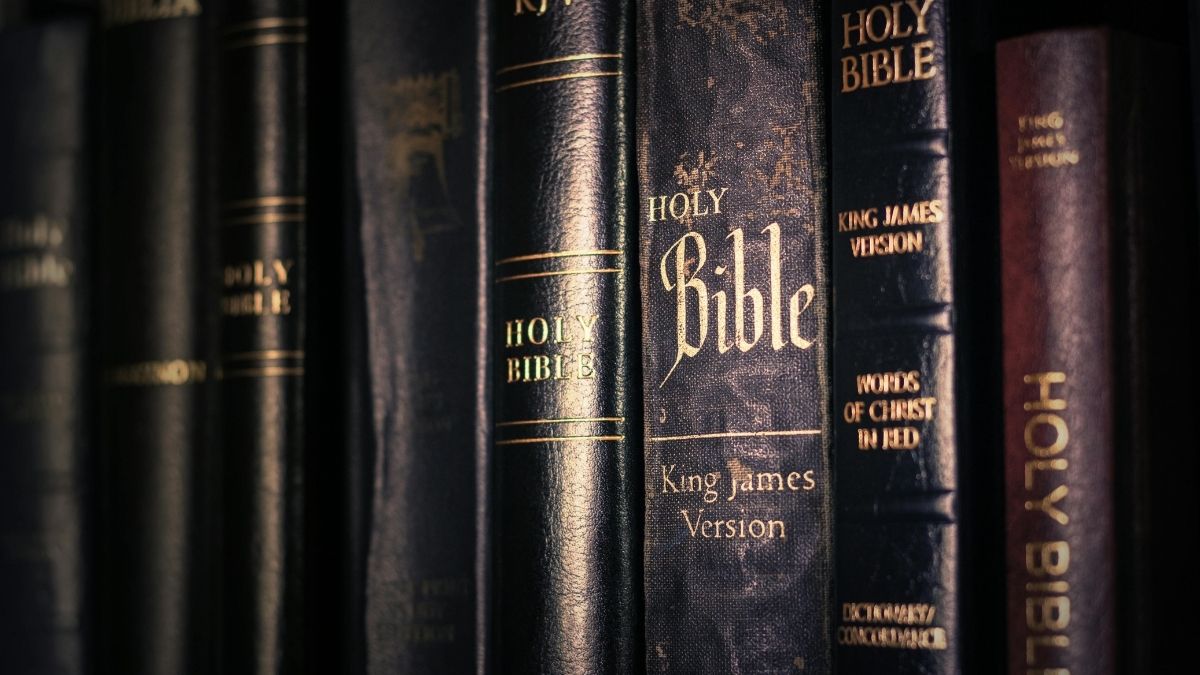
While many people assume that any old-looking book is an antique, the term generally refers to items that are at least one hundred years old. However, in the world of rare books, age is often secondary to scarcity and historical importance. A bible from the mid-19th century might be common, whereas a fragment from the 16th century could be a museum-grade treasure. When you are assessing an antique bible, you have to look at the ‘edition’ and the ‘impression’ to understand its true place in history.
The most sought-after volumes are often those that represent a turning point in the English language or printing technology. For example, early versions of the Geneva Bible or the first editions of the King James Version are highly prized because they shaped the way people spoke and thought for centuries. When you are searching for an antique bible to add to your library, you should consider what era of history interests you most. Some collectors focus on the following aspects:
- The specific translation and its theological impact at the time.
- The reputation of the printer and the city where it was produced.
- The presence of unique woodcuts, engravings, or hand-painted illustrations.
- Evidence of previous ownership, such as bookplates or handwritten notes.
How to identify a genuine early edition
One of the first things you should do when you encounter a potential find is to look at the title page. In the early days of printing, title pages were incredibly detailed, often listing the full name of the printer, the location of the shop, and the exact year of publication. If the title page is missing—which is common in older books that have seen heavy use—you might have to look at the ‘colophon’ at the very end of the text. This was a small note by the printer that provided similar details before the modern title page became standard.
The paper itself provides many clues. Before the mid-19th century, paper was made from cotton and linen rags rather than wood pulp. This means it is often much more durable and less prone to the brittle yellowing we see in modern paperbacks. If you hold a page up to the light, you might see ‘watermarks’ or ‘chain lines’ from the wire moulds used to make the paper. These marks can often be used to trace the paper back to a specific mill or region, helping to verify the authenticity of the work.
Why the condition is more important than you think
In the world of antique books, condition is everything. While a bit of ‘foxing’—those small brown spots caused by oxidation or mould—is expected in a book that is several centuries old, the structural integrity of the volume is what determines its value and longevity. A bible with its original leather binding intact is far more desirable than one that has been crudely rebound in modern materials. However, a professional ‘re-backing,’ where the original spine is preserved and laid over new leather, is often considered an acceptable way to maintain the book’s utility.
When you are inspecting a volume, pay close attention to the following physical details:
- The joints and hinges: Are the covers still firmly attached to the spine?
- The presence of maps: Many early bibles included intricate maps of the Holy Land that are often stolen or lost.
- Completeness: Are there any missing leaves or truncated sections at the beginning or end?
- Odour: A strong smell of damp or mildew can indicate active mould, which can spread to other books.
It is also worth noting that ‘patina’ is a good thing. The wear on the corners of a leather cover tells the story of the hands that held it during Sunday services or evening family readings. You want a book that looks its age but has been treated with respect over the years.
Famous versions that collectors still search for
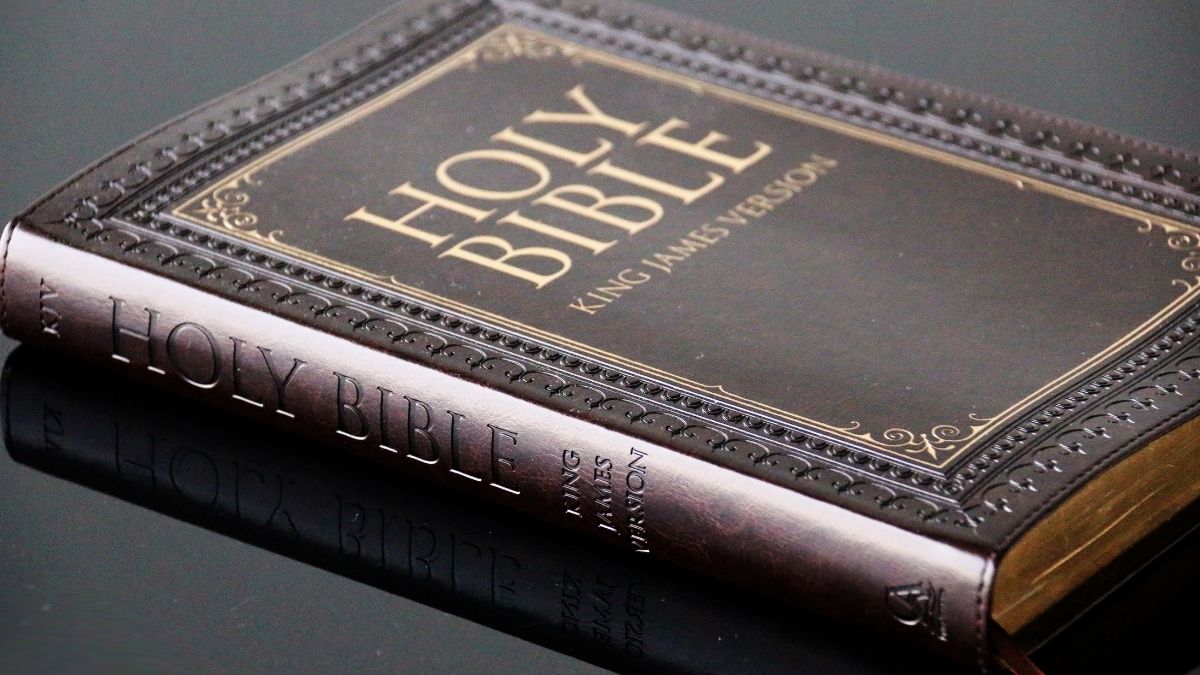
There are certain editions that have become legendary among bibliophiles. The ‘Breeches Bible’ is a famous example, so-called because the translators of the Geneva Bible chose to describe Adam and Eve making ‘breeches’ out of fig leaves rather than ‘aprons.’ These quirks of translation make certain editions highly collectable and give them a distinct personality. Similarly, the ‘Great Bible’ of 1539, which was the first authorised edition of the bible in English, is a massive, impressive volume that was designed to be chained to pulpits in churches across England.
Collectors also look for ‘Association Copies.’ These are bibles that were once owned by famous historical figures or contain significant genealogical information. Finding a family bible that tracks a lineage through the American Civil War or the Victorian era in Britain adds a layer of social history that transcends the religious text itself. It transforms the book into a primary historical document that offers a window into the lives of ordinary people from the past.
Caring for your collection at home
Once you have acquired an antique bible, the responsibility of preserving it falls to you. The goal is to slow down the natural process of decay as much as possible. This doesn’t mean you need a climate-controlled vault, but you do need to be mindful of where you store your books. Light is one of the biggest enemies of old leather and ink; UV rays can cause bindings to fade and crack, so keep your shelves away from direct sunlight.
Humidity is another critical factor. If the air is too dry, the leather can become brittle; if it is too damp, you risk the growth of mould. Aim for a stable environment with moderate airflow. When it comes to handling, the old advice about wearing white cotton gloves has actually been updated by many modern conservators. They now suggest that clean, dry hands are better, as gloves can reduce your tactile sensitivity and make it more likely that you will accidentally tear a fragile page. Simply washing and drying your hands thoroughly before handling your collection is usually the best approach.
When placing the book on a shelf, ensure it is standing upright and is supported by books of a similar size. If a bible is particularly large and heavy, it is often better to store it flat so that the weight of the paper ‘text block’ doesn’t pull away from the binding over time. By taking these small, thoughtful steps, you ensure that the volume will continue to survive for another hundred years, eventually passing into the hands of the next person who appreciates the weight of history.

A beauty blogger focused on natural and cruelty-free cosmetics, Hannah explores sustainable beauty practices, DIY skincare, and makeup hacks.